Real-life camping experience explained
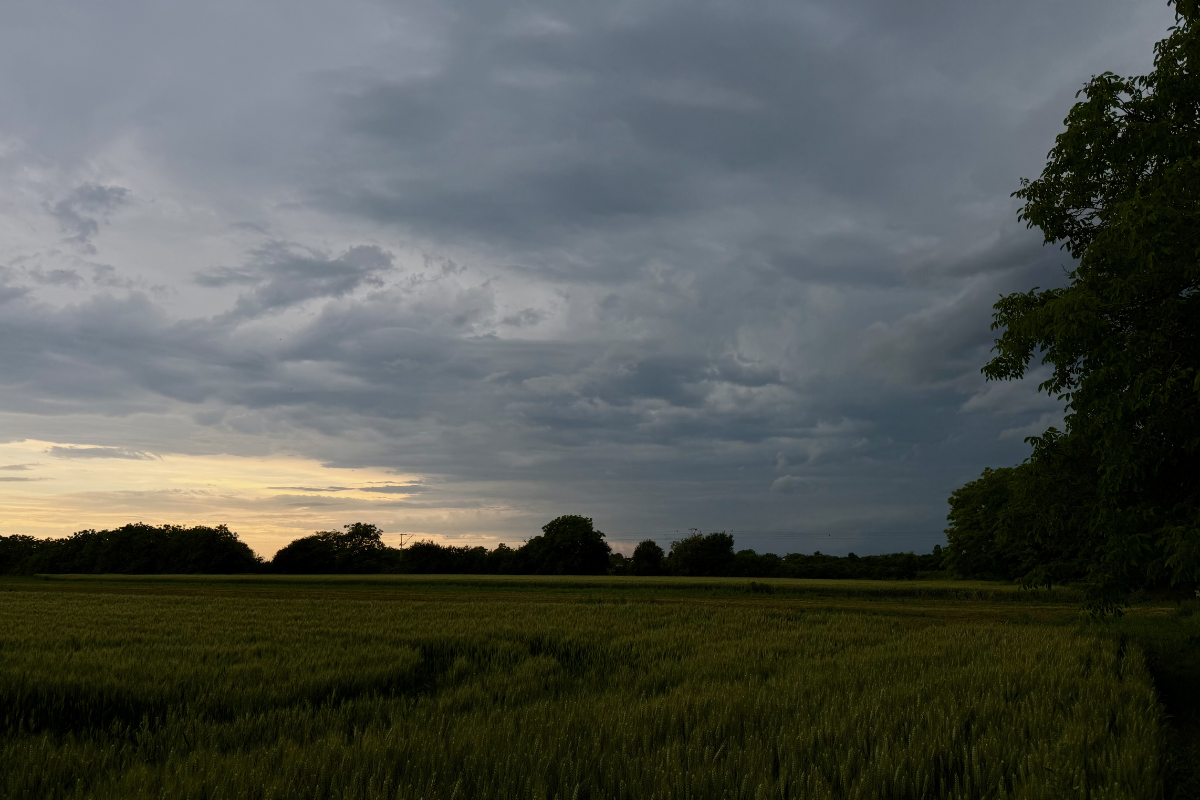
The Rooftop Tent can be used in most weather conditions, but with certain limitations. It is not recommended for severe thunderstorms with thunder and lightning because although it may not be the highest point in the area, thunderstorms are unpredictable and therefore the RTT is not recommended in such conditions. I am writing this blog from my experience of using it in all-night showers and winds of approximately 45km/h. It is also possible to use it in the snow, which we have not tried yet – I hope we will in the coming winter!
Rain – not dangerous, but changes logistics
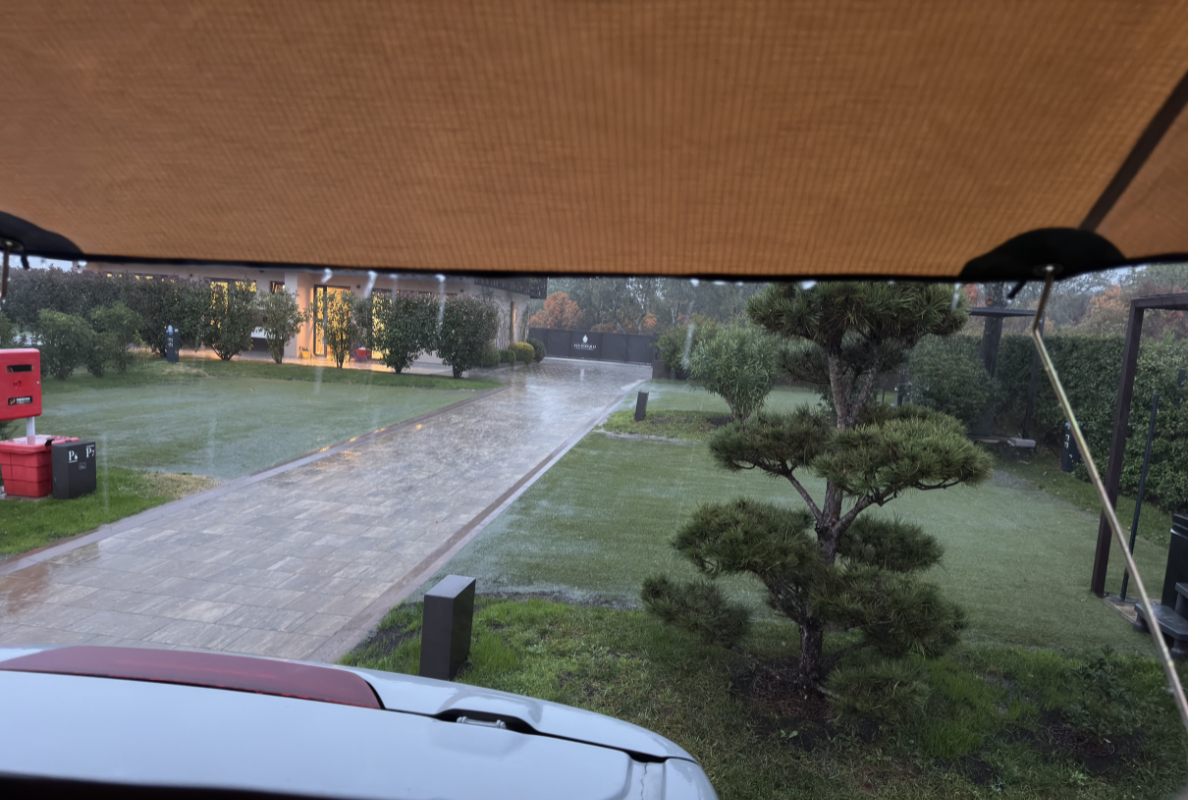
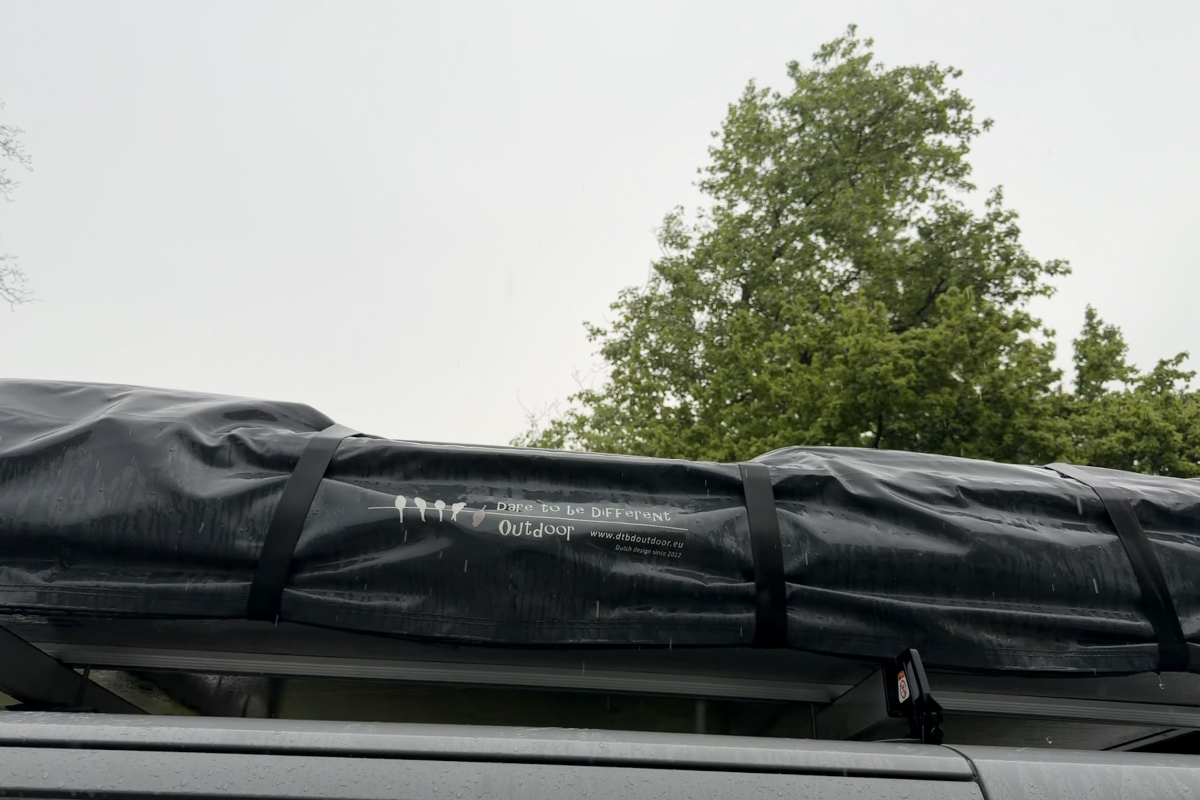
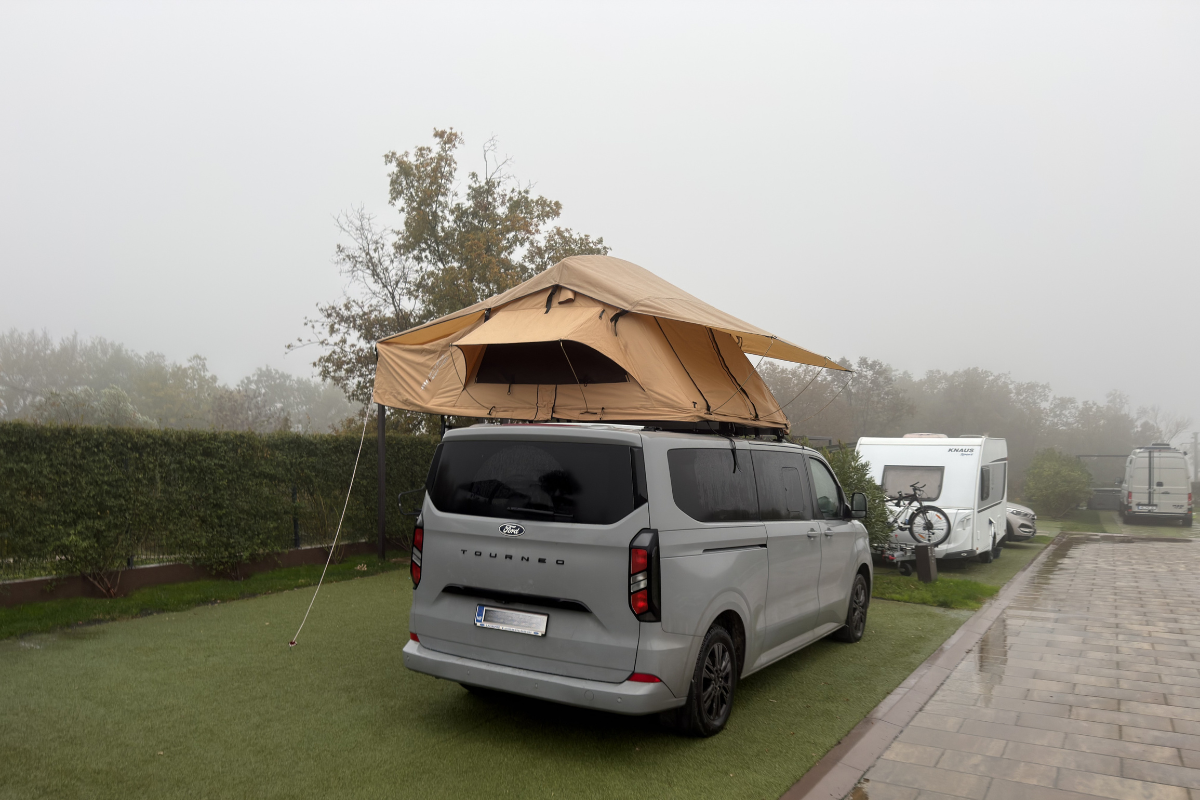
A forecast of rain doesn’t mean you have to cancel your camping trip, it just means you need to adapt. It’s not dangerous if there’s no lightning, but it does change logistics. Opening and closing while it’s raining is not comfortable, so pack a raincoat because an umbrella won’t help. The advantage of a roof tent is that you don’t have to worry about the ground getting wet and puddles all around you because you’re on the roof. Since the ladder is almost completely covered, you can get in/out of the tent to your car almost dry – unless the rain is falling at an angle. You’re dry in the tent and don’t have to worry about getting anything wet, just remember to leave at least some of the windows open to prevent condensation.
Wind – an experience that is heard more than felt
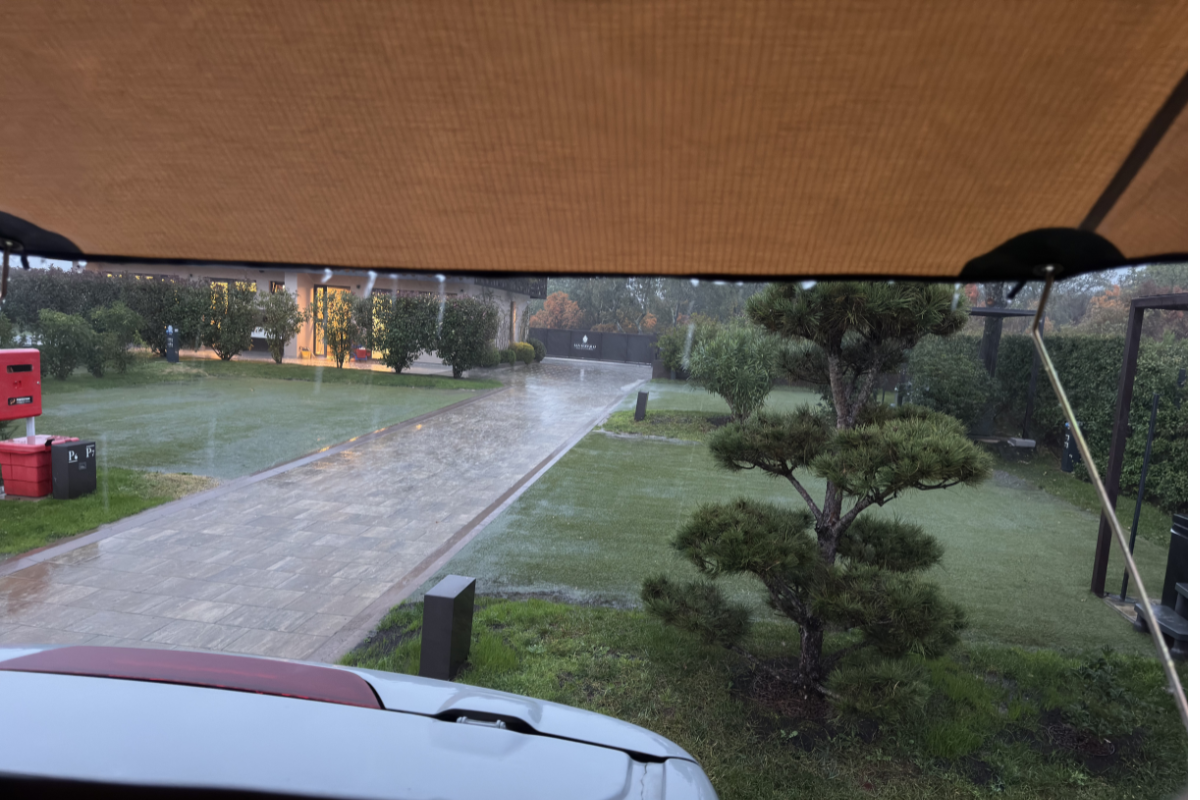
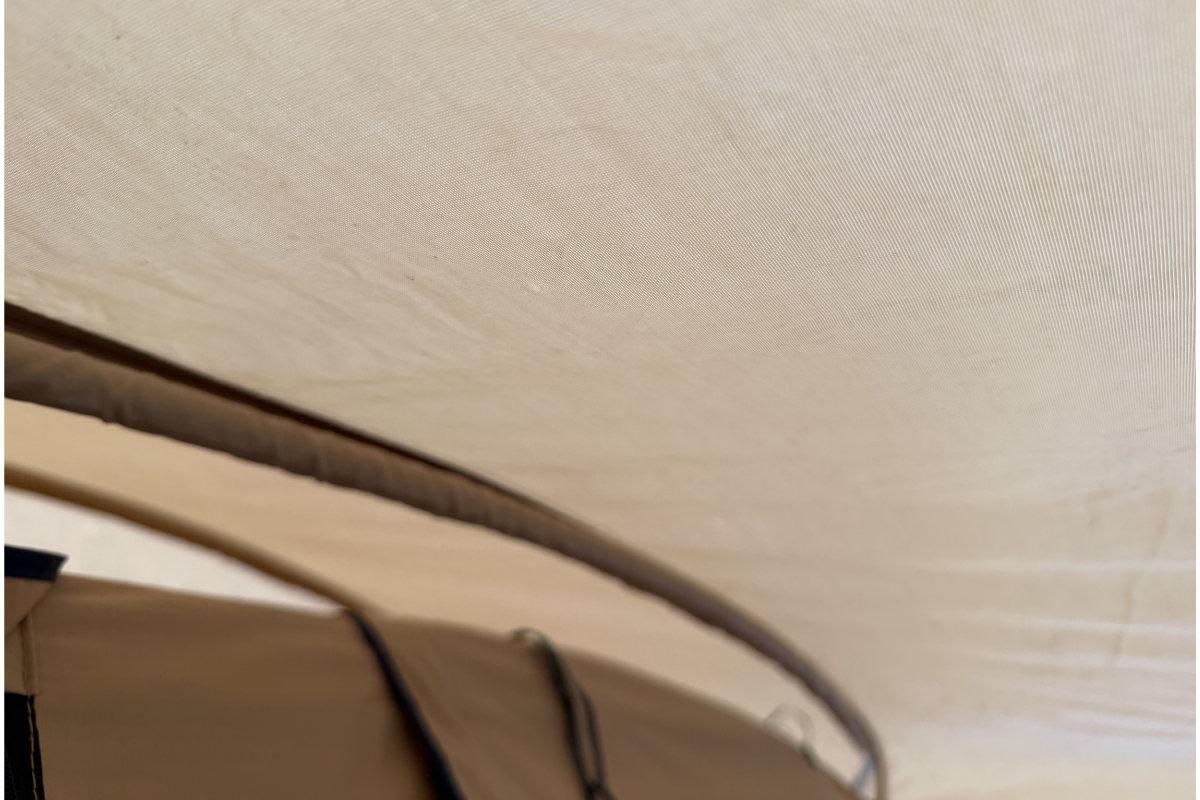
A firm mounting on the poles and a properly set up tent are even more important in this situation! Check before the trip whether the screws are tightened enough because this is one of the most common beginner mistakes. Dare to be different tents are strong and resistant and are designed to withstand winds of up to 8 Bft, or 62-74km/h. We used our 220xl roof tent in gusts of up to 45km/h and it sounded terrible the first time! Then we realized that the tent is strong and stable, but the wind can be heard in the canvas. There is a solution to reduce this noise, and that is to remove the flytop. We did not try it because we quickly got used to the sound in the following nights and slept without problems despite the wind.
RTT in practice in bad weather
Listening to the rain on a canvas can be very romantic, but using a roof tent in bad weather is a combination of good organization and adaptation. You need to be ready to react quickly to a change, for example, if an unannounced thunderstorm suddenly starts, it is better, even in the middle of the night, to fold the tent and wait in a closed car than to risk a lightning strike. You should monitor the weather forecast for wind and rain during camping, but also for 48 hours after your return so that the tent can dry completely if it is stored wet (if you have a garage where you can open/dry it, this is not a problem for you). The most important thing is to accept the fact that camping will not be "clean and perfect", but that does not mean that it will not be nice or that it is not possible.
The most common mistakes in bad weather
-
“It’s raining, the wind is blowing, we’d better close everything so it doesn’t get wet inside.”
Then you wake up and see that the tent is wet inside and you can’t understand anything. Condensation has occurred, and to prevent this, leave at least some of it open. This is not impossible because tents have many windows and they are all covered, especially those at the entrance by the ladder, so there’s no need to worry about rain getting into the tent even when the window is open.
-
Not having a place for wet things
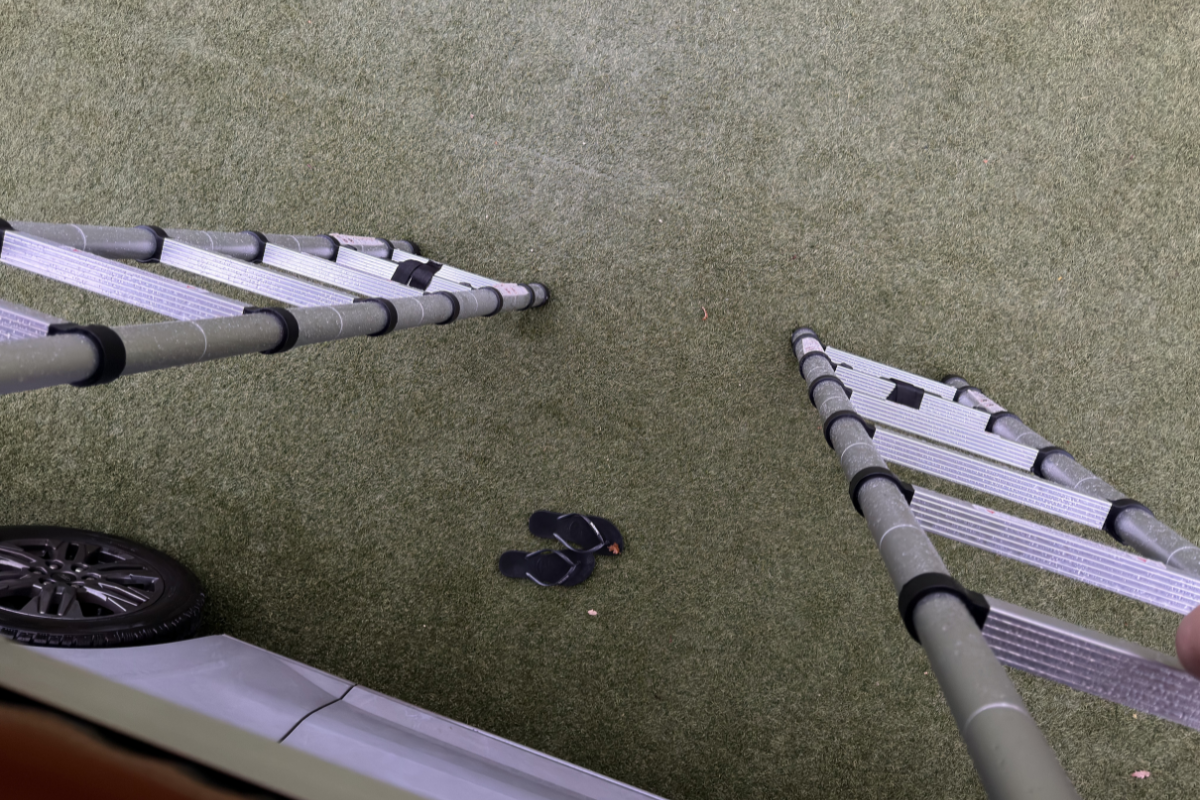
Shoes, jackets, raincoats, wet clothes – everything you don’t need for sleeping, you have to put somewhere. Even if you leave everything in the car, if the rain is falling at an angle, there’s a big chance that something wet will end up in the tent. We learned that next time we should bring a small box to put things in so that the mattress doesn't get wet, and for shoes, the best solution was to have flip-flops that can stay in the rain without getting damaged and climb barefoot into the tent.
-
Wrong parking in strong winds
Don't park on large plains or peaks if strong winds are forecast. Look for shelter behind a hill, a wall or a forest, but far enough away from trees or anything that could fly/fall on your tent and car.
From our experience, we have divided camping in bad weather into three categories. Thunderstorms are a category to avoid, but rain is a manageable situation with good organization. Over time, we have come to see wind more as a test of comfort and noise sensitivity than as actual bad weather. We all always want the best possible weather for camping, and that's normal. Bad weather doesn't have to ruin camping, but it will show how prepared you are for it. I hope this blog has helped you prepare!