which one actually works for families
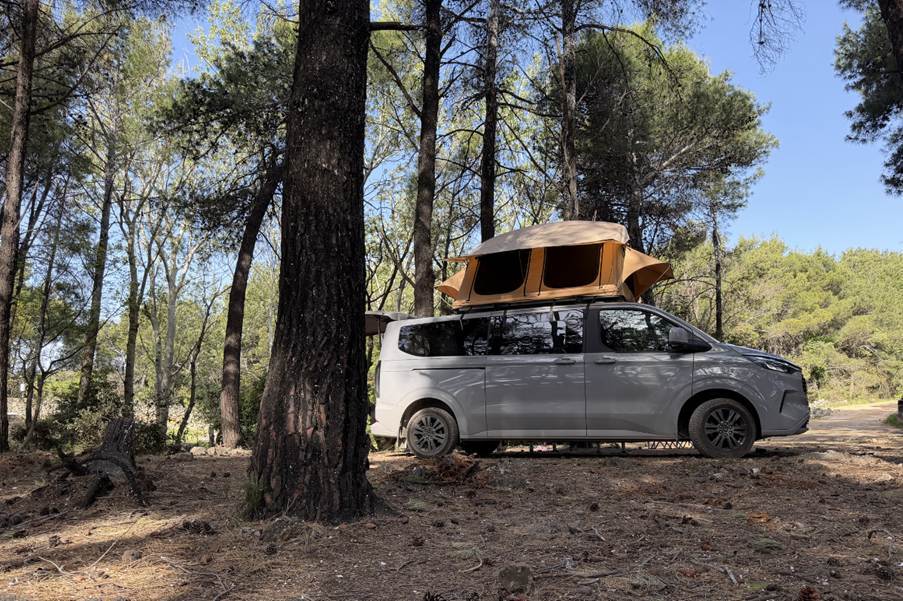
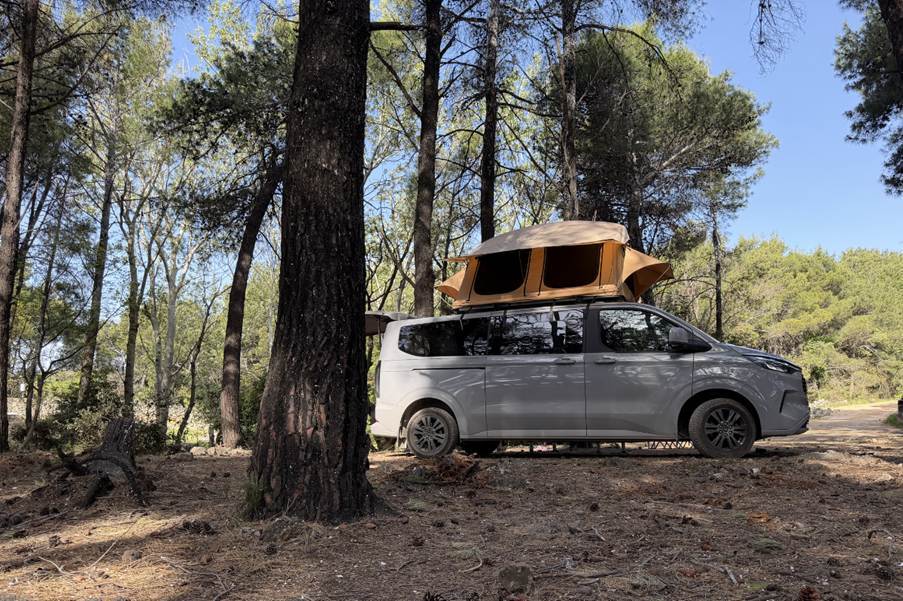
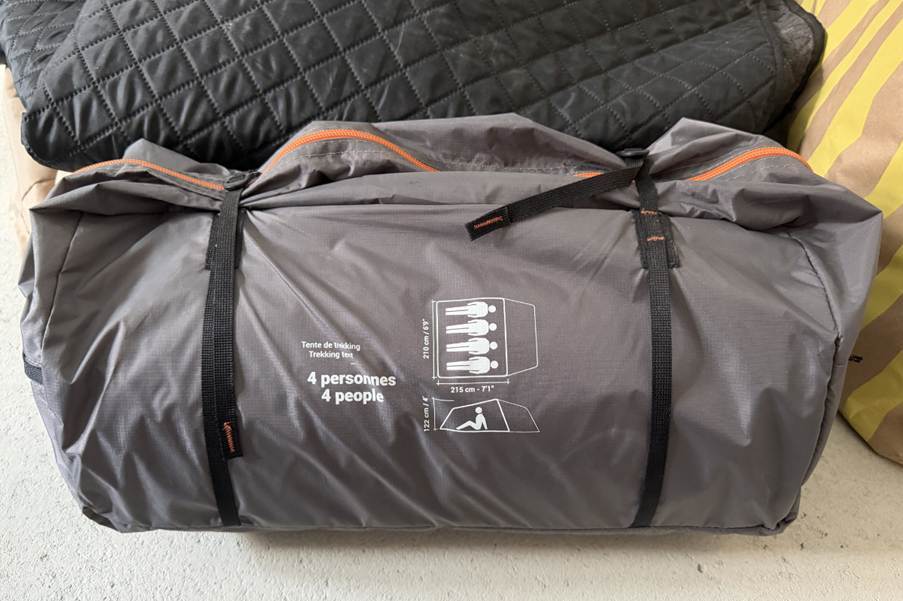
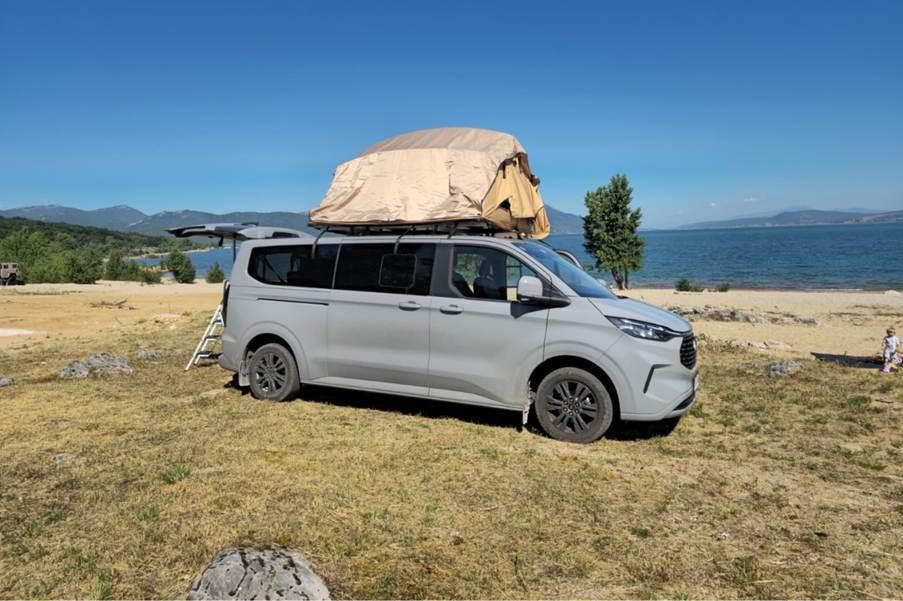
Our initial idea for camping was hiking and camping in a “floor” tent somewhere on a mountain, in a forest, by a river. Last spring, we bought a ground trekking tent for four people, before collaborating on a roof tent. We soon realized that even though we could fit all five of us in it, the logistics weren’t the best because the youngest child was 1.5 years old. Carrying a tent and everything we needed for at least one night, food and drinks, and a child who we had to carry most of the route postponed trying out such camping. Our 220XL roof tent arrived in the summer, so our ground tent is still waiting for its chance. Our situation, other people’s questions, and seeing tents at campsites prompted me to compare roof and ground tents.
Setup and logistics
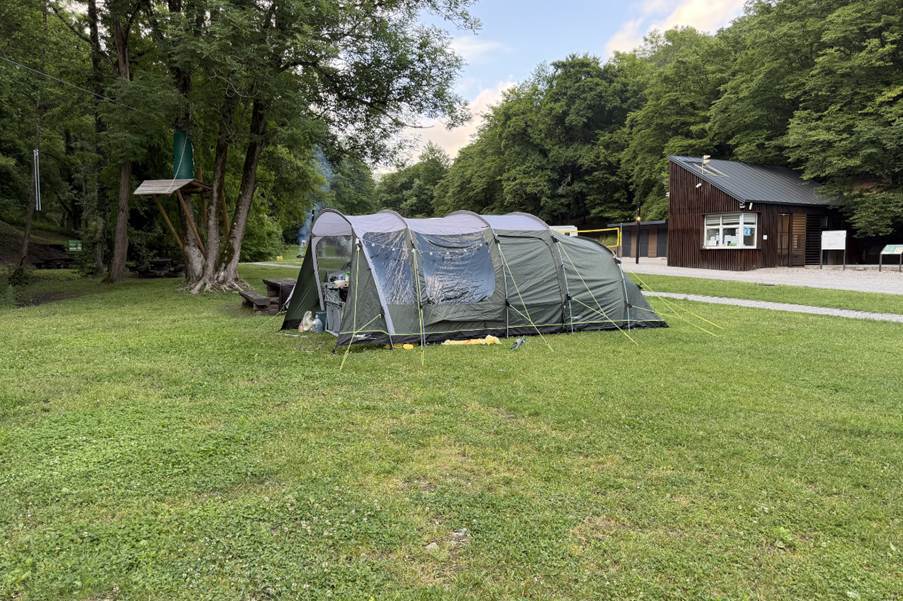
The biggest and most obvious difference between a roof and a ground tent is the setup and logistics. Setting up a ground tent usually takes between 20 and 60 minutes, depending on the tent model, experience and conditions on the ground. It takes us about 10 minutes to set up our roof tent, we throw in our sleeping bags and everything is ready. With a ground tent, groundsheets and mattresses are often added, which means another layer of preparation. Less equipment often means less time to pack and therefore a faster departure, especially in spontaneous decisions. A ground tent does have its advantages in this segment. You don't have to have roof racks on your car or worry about whether your car can handle that weight (especially if the car is smaller) and there is a much wider choice of family ground tents. Where both tents are similar is that you can use them in the rain, but you have to dry them later.
Space and comfort
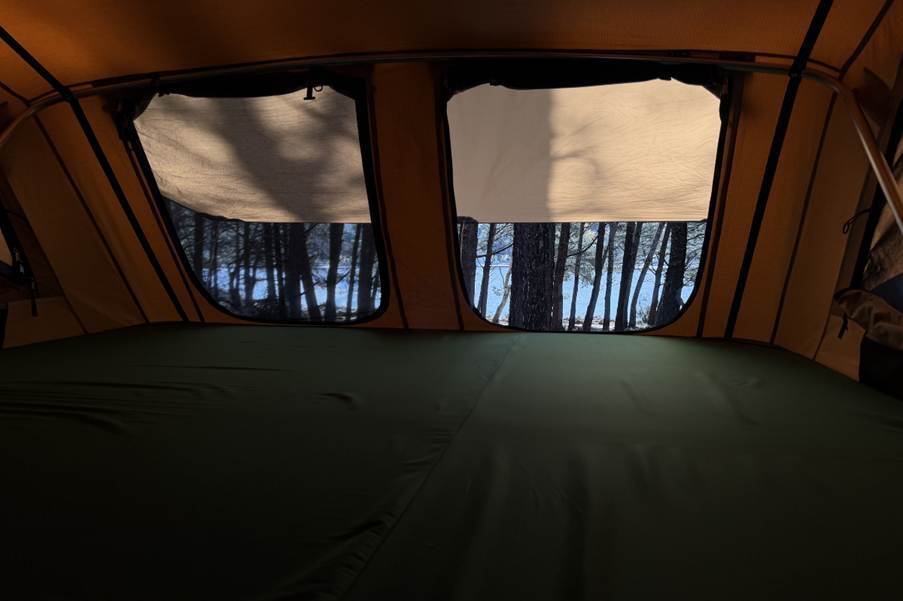
Space and comfort come into play depending on your type of camping. Will you spend more time in the tent or outside? It is also important to consider how important it is to you to be able to stand up completely or even move around in the tent? The advantage of ground tents is that with larger models it is possible to stand up straight. This automatically gives children more space to play or change clothes, which can be useful if you want to spend more time inside the tent or the rain "forces" you to stay. With a roof tent, this "shortcoming" can be compensated for by setting up an Annex. I see the advantage of a roof tent, apart from the integrated mattress, in rainy and muddy conditions. There is no sleeping on the ground or worrying whether the rain will penetrate the floor somewhere. There is no thinking about whether the free plot or the desired space will be too muddy. And finally, when leaving, there is no storing a wet tent in the car, it stays on the car.
Mode of travel
One of the key questions when choosing a tent is whether you prefer road trips with frequent changes of location or staying for several days in the same base? When frequently changing locations and weekend trips, I prefer the roof tent because of its quick folding and unfolding. However, if you are staying in one location for several days, you must consider that the roof tent is attached to the car. Trips to shops or some locations that you want to see, which are too far to go on foot, are not possible without preparing a tent. In this case, the ground tent has the advantage, since the car remains free and you can use the campsite as a base for visiting further locations. However, there is a solution for that as well - if you like cycling and bring bikes or rent them at the campsite, it won't matter so much whether the car has to stay parked or not. One of the rare downsides of a roof tent is if your final camping destination is not accessible by vehicle – ground tents can reach even the most remote places. Luckily, as our experience has shown us, those situations are few and far between – we have travelled off road, far from the beaten path with our van and roof tent without the need of hauling added weight on our backs – an admirable feat with three small children.
Cost
If you have already studied tents, you have seen that the difference in price between roof and ground tents is significant. A ground tent has a lower initial cost, but you also need to think about additional equipment that is necessary, such as insulation pads and mattresses/sleeping pads. A roof tent already has this integrated into it and in its price, so the final price difference is reduced. The difference in cost cannot be seen only through the price of the tents themselves, but also through all the equipment that is needed to equalize the sleeping comfort.
Which is better for families?
There is no universal answer to which type of tent is better for families or individuals. It all depends on your own wishes, preferences and possibilities. If you have ever wondered which type of tent is right for you (and your family), I hope this comparison and questions have helped you decide. Before trying out a roof tent, we were convinced that we would camp in a ground tent, trekking, tent. We are currently at a stage where we do not want to change the simplicity and comfort of a roof tent. I believe that at some other stage in life there will come a time when we will try a ground tent.